
Modernize production, supply chains, and workforce operations with AI-powered business systems built for smarter manufacturing growth.
Digitize projects, workforce management, and financial operations with connected business solutions for modern construction enterprises.
Connect sales, inventory, customers, and operations through intelligent business systems that drive exceptional retail growth and experiences.
Optimize inventory, procurement, warehouse operations, and customer relationships with solutions built for growing distribution businesses.
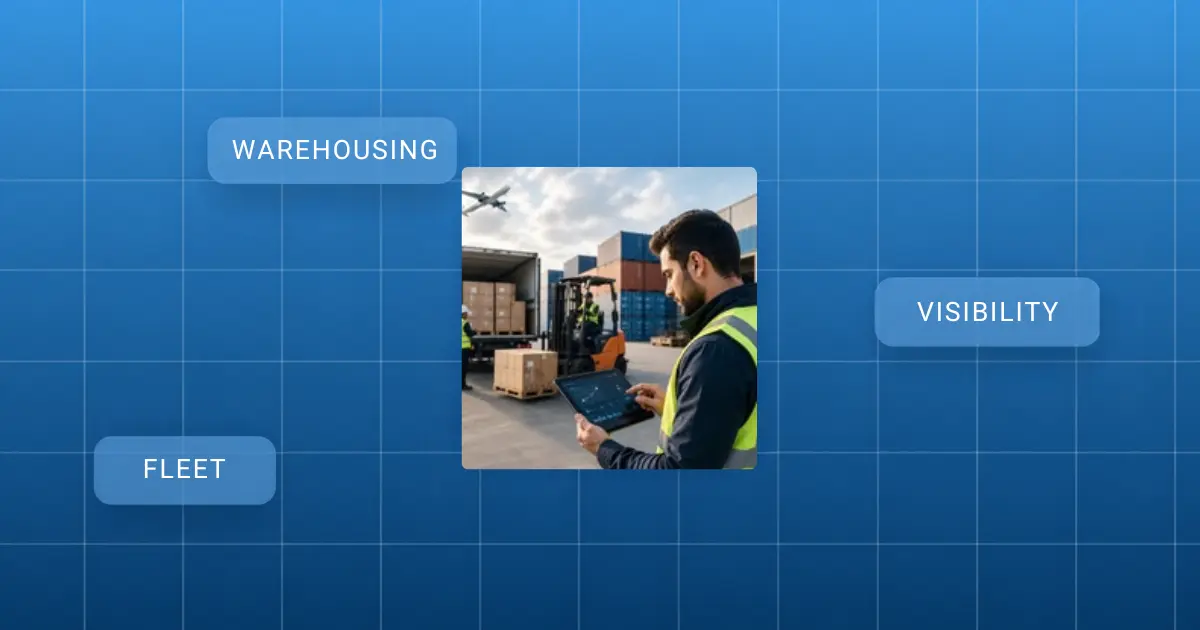
Improve transportation, warehousing, fleet operations, and supply chain visibility through intelligent digital transformation solutions.
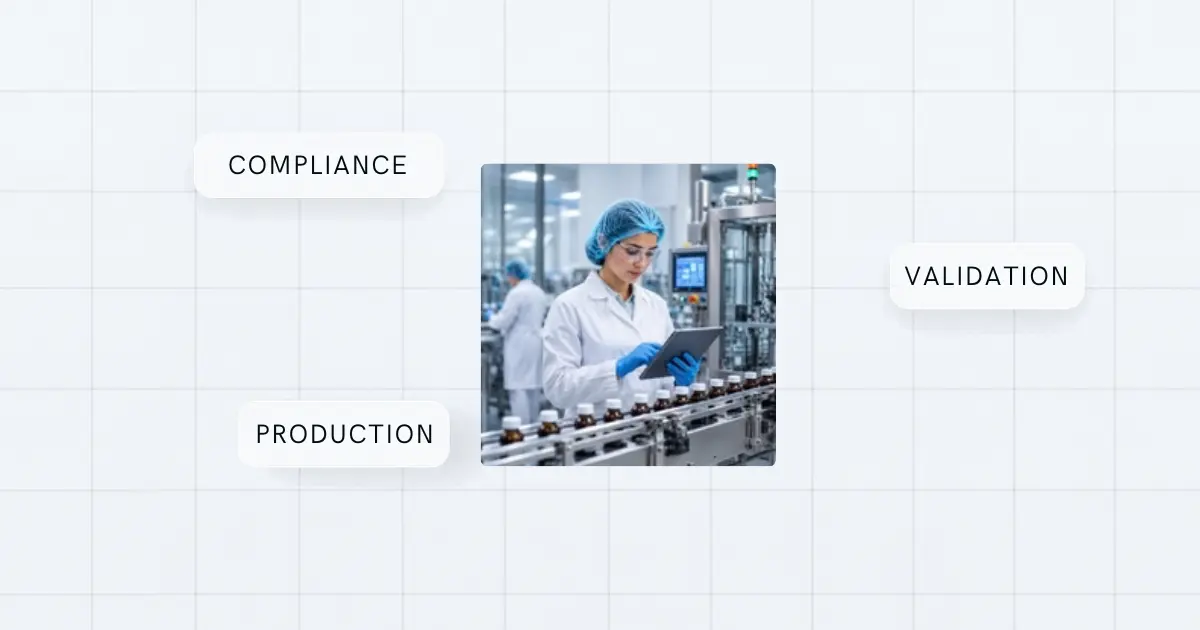
Modernize pharmaceutical manufacturing with connected business systems that improve production, compliance, quality management, and efficiency.
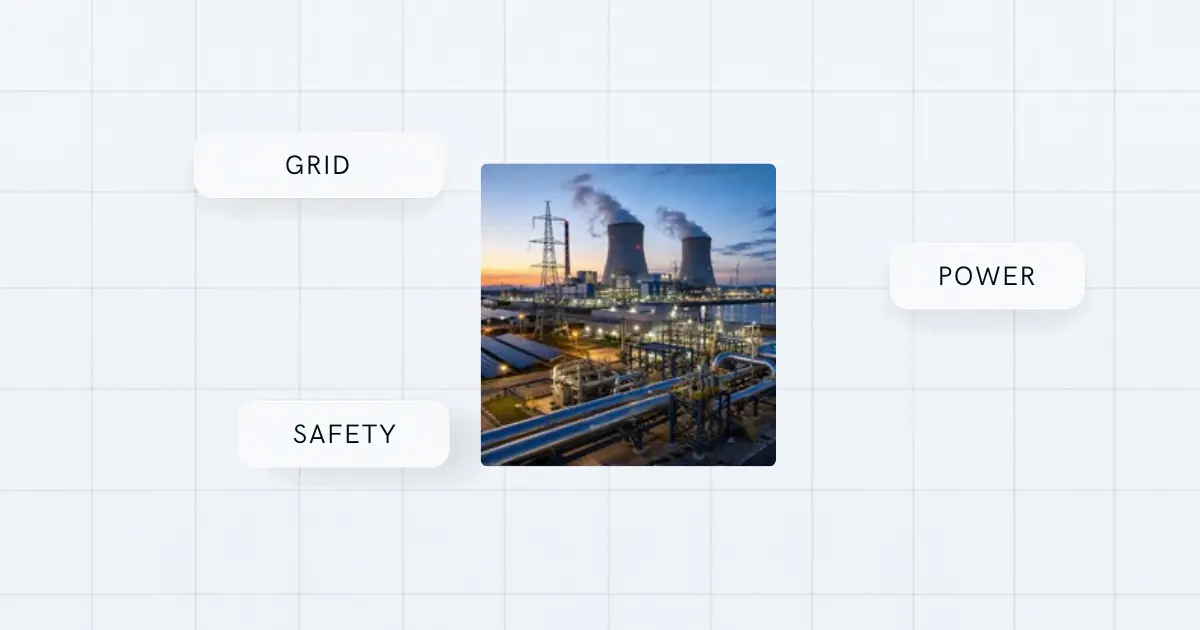
Optimize assets, field operations, workforce productivity, and compliance with intelligent technology solutions built for modern energy businesses.
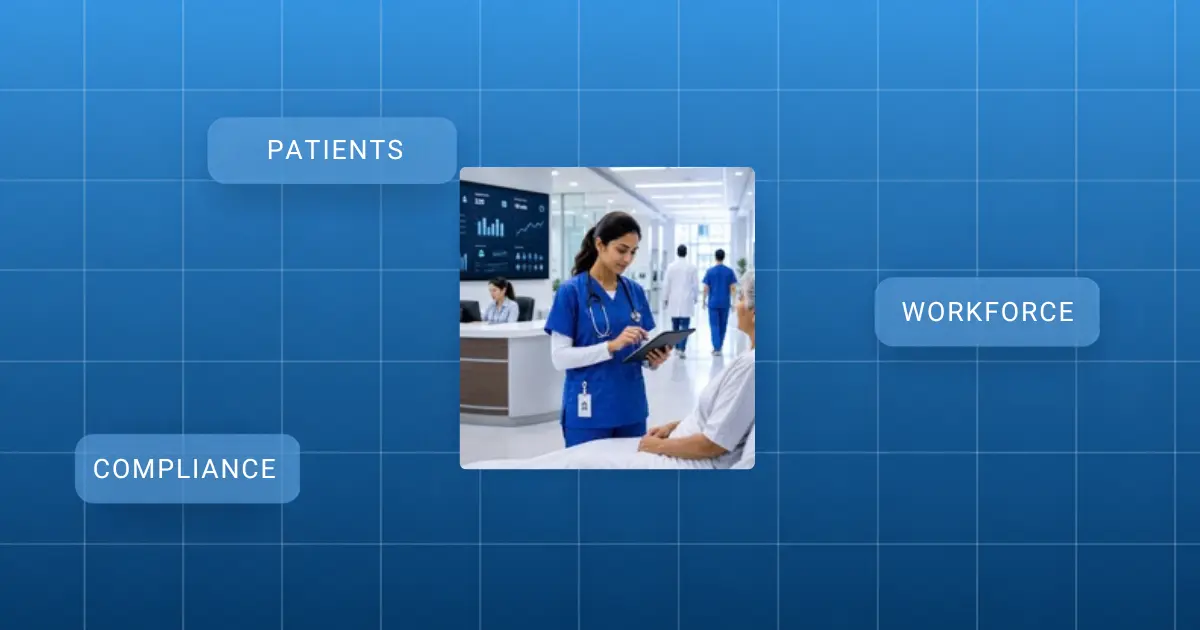
Modernize patient care, administration, workforce management, and operations with smart business solutions built for healthcare organizations.
Many digital transformation projects fail because organizations focus on implementing new technology without first improving business processes, defining clear objectives, or preparing employees for change. Poor planning, limited stakeholder involvement, inadequate training, and disconnected systems often reduce adoption and delay expected outcomes. Successful digital transformation combines technology with process optimization, leadership alignment, employee engagement, and ongoing performance measurement to ensure new systems deliver measurable improvements across the business. Across the industries we serve, successful digital transformation combines technology with process optimization, leadership alignment, employee engagement, and ongoing performance measurement to deliver measurable business outcomes.
Businesses typically benefit most by automating repetitive, high-volume processes that consume significant time and resources. Common priorities include finance, procurement, inventory management, sales workflows, HR operations, payroll, customer relationship management, approvals, reporting, and document management. These priorities remain consistent across the industries we serve, helping businesses improve efficiency, increase productivity, and support sustainable growth.
ERP, CRM, and HRMS each manage different areas of a business while working together to improve overall efficiency. ERP focuses on finance, inventory, procurement, manufacturing, and operations. CRM manages customer relationships, sales pipelines, marketing, and customer service. HRMS handles employee information, payroll, attendance, recruitment, and performance management. When integrated, these systems create a connected business environment with centralized data, streamlined workflows, and better decision-making across departments. This integrated approach benefits organizations across the industries we serve, creating connected operations and better business visibility.
Yes. ERP remains one of the most valuable technology investments for organizations seeking greater operational efficiency, scalability, and visibility. Modern ERP platforms go beyond process management by incorporating automation, cloud technologies, AI capabilities, real-time reporting, and integrations with CRM, HRMS, and other business applications. As businesses continue to digitize operations, ERP provides the centralized foundation needed to improve collaboration, support growth, and make faster, data-driven decisions. Across the industries we serve, ERP continues to provide the centralized foundation businesses need to improve collaboration, increase visibility, and support long-term digital transformation.
The right choice depends on your business maturity and operational challenges. If core processes such as finance, inventory, sales, or production remain fragmented, implementing ERP first creates a reliable foundation for future growth. Once accurate, centralized business data is available, AI can deliver greater value through automation, predictive analytics, intelligent reporting, and decision support. For many organizations, ERP and AI work best together rather than as competing investments. Across the industries we serve, the right technology roadmap depends on business priorities, operational maturity, and long-term growth objectives.
A modern manufacturing technology stack combines ERP, CRM, HRMS, cloud infrastructure, AI, business intelligence, IoT devices, automation tools, and analytics into one connected ecosystem. Together, these technologies support production planning, inventory management, quality control, workforce management, predictive maintenance, customer engagement, and executive reporting. Integrated systems improve operational visibility, reduce manual processes, strengthen decision-making, and enable manufacturers to operate more efficiently while supporting future business growth. Similar technology ecosystems are implemented across the industries we serve, with each solution tailored to operational and compliance requirements.
Manufacturers improve efficiency by optimizing existing processes rather than simply adding more employees. Technologies such as ERP, AI, workflow automation, real-time production monitoring, predictive analytics, and integrated quality management reduce repetitive manual work and eliminate operational bottlenecks. Better visibility into inventory, production schedules, procurement, and workforce performance helps organizations increase output, reduce waste, improve product quality, and maximize productivity using existing resources.
Not always. Many modern ERP solutions are cloud-based, making cloud migration a natural part of the implementation process rather than a separate project. Businesses should evaluate their existing infrastructure, security requirements, compliance obligations, and long-term technology strategy before deciding. A structured cloud adoption plan helps improve scalability, accessibility, disaster recovery, and system performance while ensuring ERP implementation is secure, efficient, and aligned with business objectives. This approach helps organizations across the industries we serve modernize infrastructure while reducing implementation risks.
Yes, replacing legacy systems is generally safe when supported by careful planning, data migration, testing, user training, and phased implementation. Businesses should consider modernization when outdated systems become expensive to maintain, limit scalability, create security risks, or prevent operational efficiency. A structured transition minimizes disruption while preserving critical business data, enabling organizations to improve performance, strengthen security, and support future growth with modern technology platforms. Businesses across the industries we serve successfully replace legacy systems through structured planning, phased implementation, and effective change management.
Successful digital transformation depends as much on people as technology. Businesses should communicate the purpose of change, involve employees early, provide role-specific training, address concerns proactively, and encourage continuous feedback throughout implementation. Leadership support, clear documentation, phased rollouts, and ongoing assistance help improve user adoption and confidence. Investing in change management ensures employees embrace new technologies, adapt to updated processes, and contribute to long-term organizational success. Effective change management is a key success factor across the industries we serve, regardless of business size or sector.